

James Pennebaker
Episode 24, Writing to Heal
Traumatic experiences linger long after they are over and can have a profound impact on physical and mental health. Social Psychologist Dr. James Pennebaker has developed a way to relieve the strain of undisclosed trauma. Write about it.
A Sonic Journey
It wasn’t having a traumatic sexual experience per se, it was having any trauma that you kept secret. This secrecy issue fascinated me.
To explore the benefits of trauma disclosure, Pennebaker developed a simple research methodology—expressive writing. His study participants were people who had experienced an ordeal but had never shared it with anyone. For three or four consecutive days, they would write freely for 15 minutes about their secret. The results were very encouraging. His data showed a positive association between expressive writing and better health among study subjects. Since then, over a thousand similar studies have reached the same conclusion. Simply writing down your thoughts and feelings about trauma can translate into a reduction of stress and anxiety, improve sleep, strengthen immunity, and positively impact the treatment of chronic illness. According to James Pennebaker, it’s a cascade of positive effects which he documents in his two books on the topic, Opening Up by Writing it Down: How Expressive Writing Improves Health and Eases Emotional Pain (2016) and Expressive Writing: Words That Heal (2014).
So if you find yourself dwelling on or obsessing over a stressful or traumatic event, Pennebaker asserts, “It’s probably affecting everything around your life. This is where writing is really helpful, for you to start to see its enormity on you, your life, your friends, and everything else.” He recommends waiting until the emotional rawness has faded and then taking to the page to thoroughly explore the thoughts and emotions associated with it.
Says James Pennebaker, “Expressive writing is self-reflection. You are looking inward. You are trying to understand. By doing this, you start to understand it better, you don’t need to obsess about it anymore. The burden is almost lifted.”
And when you’re finished, he adds, “Throw it away or put it where no one will find it.
I don’t recommend sharing it. It’s for you and you alone.”
Subscribe
Want to automatically receive each new episode as soon as it’s released? Choose one of the following options:
- For video, subscribe on YouTube.
- For audio, subscribe to Apple Podcasts, Spotify, or Google Podcasts.
Don't miss an episode!
What you’ll learn
- What is Social Psychology and how James Pennebaker became interested in it (0:32)
- Discovering the mind and body connection (2:43)
- The immune response phenomenon (5:26)
- Difference between journaling and expressive writing (7:21)
- Expressive writing is not venting (9:49)
- His philosophy that people are sometimes their own best therapists (12:39)
- How to get started with expressive writing (17:23)
- Why expressive writing works (20:57)
- His optimism about the younger generations (24:25)
- How COVID-19 has forced new teaching methods (28:08)
- Why learning and college should be lifelong (29:13)
- His new research—Expressive Interviewing (40:24)
Resources
RELATED INTERVIEWS

Dr. Laurie Santos
The Science of Happiness
EPISODE 41
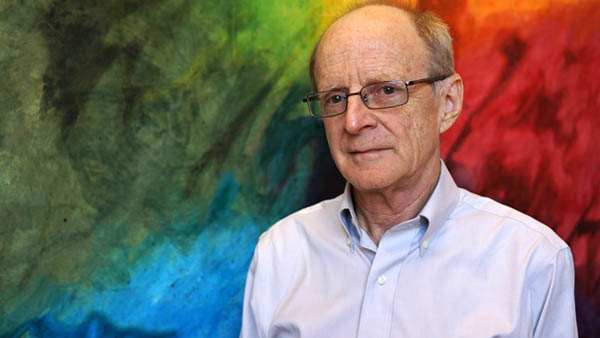
Dr. James Pennebaker
EPISODE 9

Linda Kohanov
EPISODE 10

All Episodes
EPISODES 1-45